Pelvic Pain
Pelvic pain is often misunderstood, under-diagnosed, and oversimplified. In many cases, it reflects an imbalance in muscle tone, coordination, connective tissue function, or nervous system sensitivity. Pain is not simply the result of weakness or tightness alone. Because of this complexity, pelvic floor care is never one-size-fits-all, and Kegel exercises are not universally appropriate.
In fact, in a significant number of cases (often the majority in clinical practice), symptoms are driven by overactivity, tension, or poor coordination rather than weakness. A skilled clinician must thoroughly evaluate each individual to determine the true underlying driver before prescribing strengthening alone. Without this step, treatment can unintentionally worsen symptoms instead of resolving them.
-
Pelvic floor physical therapy is the foundation of true pelvic health recovery. At its core, it is not about forcing strength or prescribing generic exercises- it is about identifying what your body is actually doing. Many cases of pelvic pain, incontinence, and dysfunction are driven by imbalance: muscles that are too tight, too weak, or no longer communicating properly with the nervous system. That is why “just do kegels” is not only outdated, it can be harmful when applied incorrectly.
At our clinic, pelvic therapy is precise, individualized, and clinically driven. Every plan begins with a full evaluation of coordination, pressure management, and movement patterns so that treatment matches the actual problem, not assumptions.If you’ve been given generic exercises or told your symptoms are “normal,” it’s time for a deeper evaluation that finally explains what your body is doing and how to fix it.
-
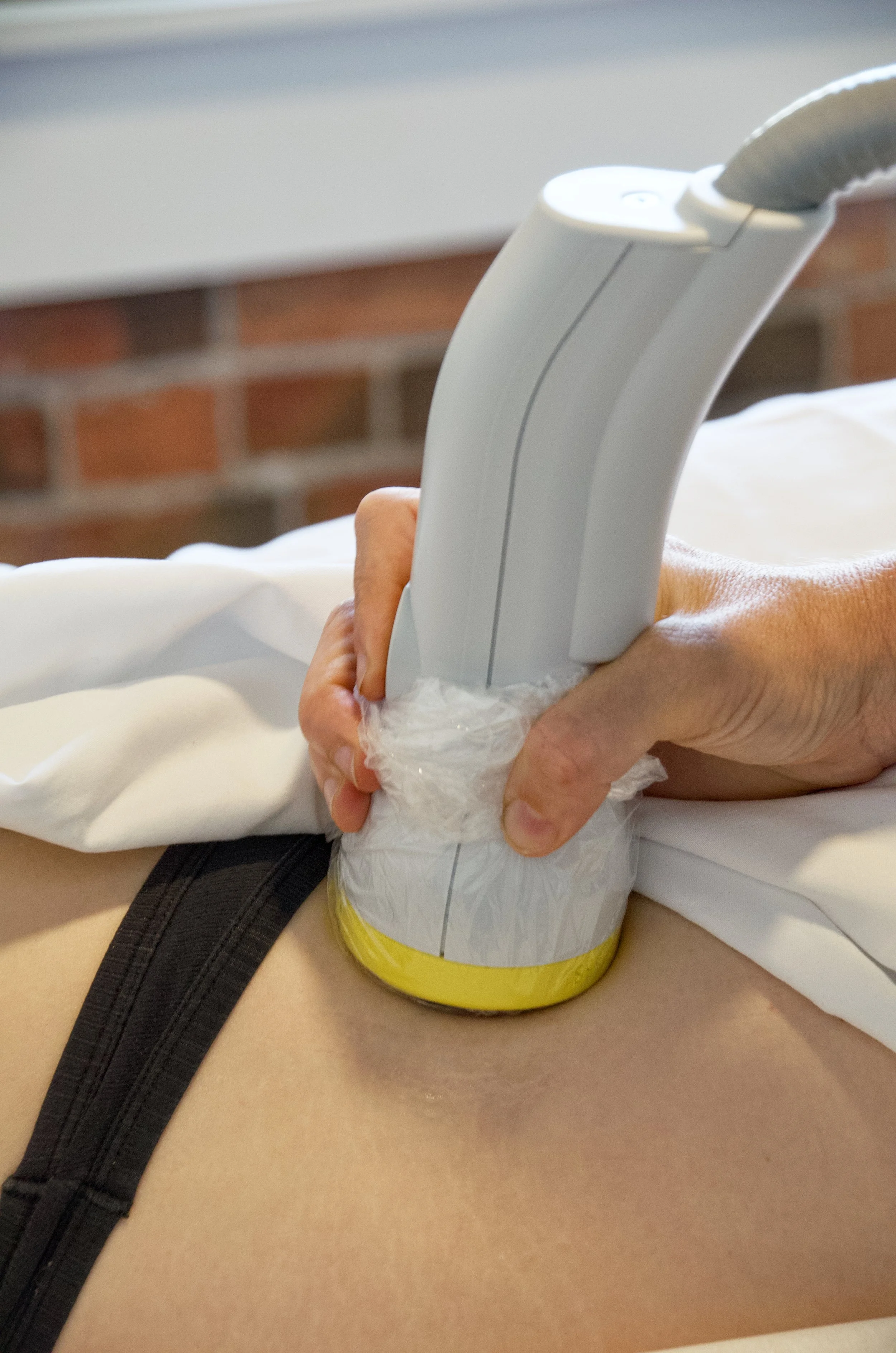
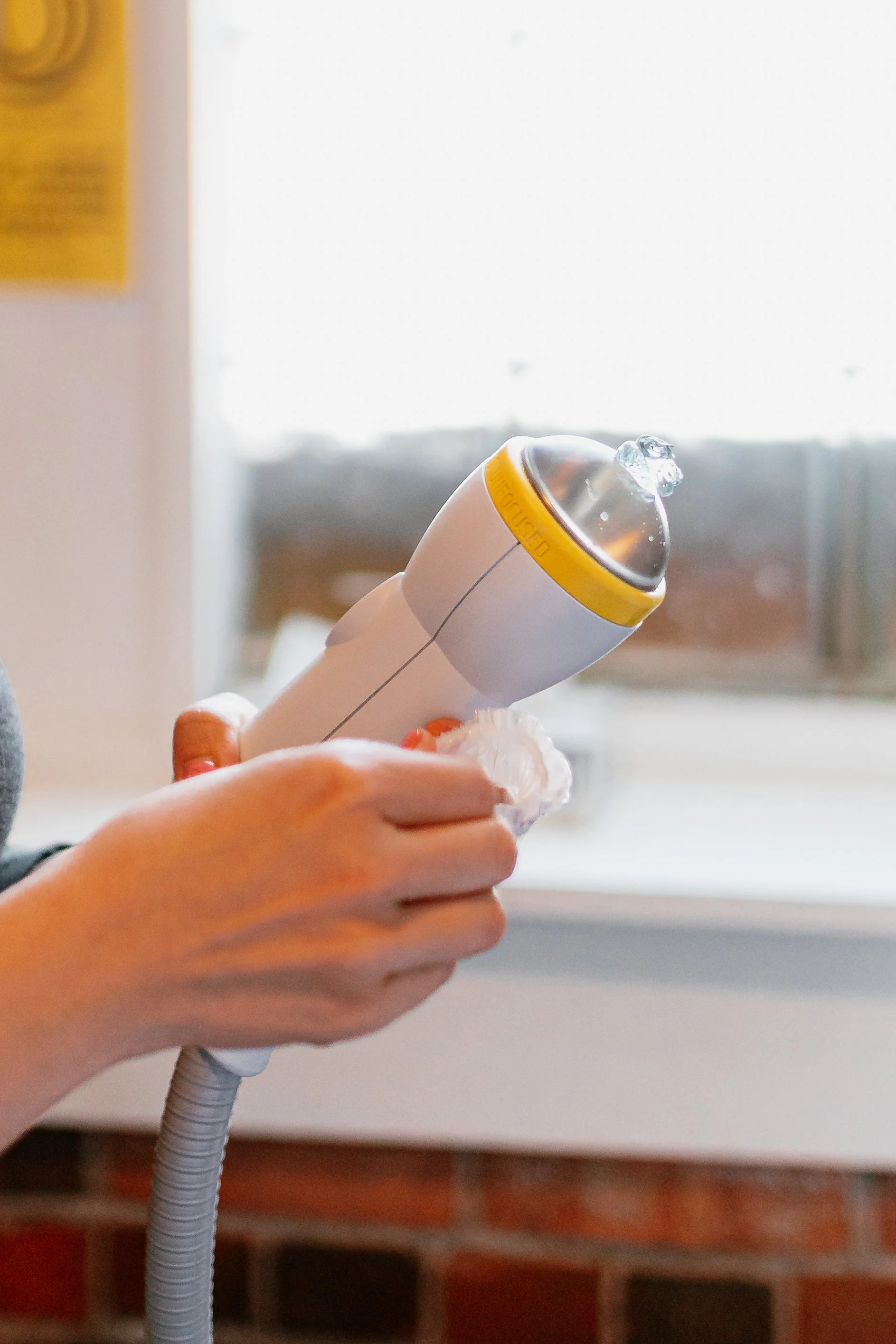
SoftWave therapy represents a shift in how pelvic pain and dysfunction are treated. Instead of relying solely on manual internal techniques or strengthening alone, SoftWave works at the tissue level, improving circulation, reducing scar tissue and adhesions, calming overactive nerves, and restoring biological healing capacity.
BPH prioritizes external, non-invasive care whenever possible. SoftWave allows us to reduce the need for pelvic exams and often avoid internal treatment altogether. When the work can be done externally, we believe it should be. This approach is not only more comfortable for many patients, it is clinically effective, often producing longer-lasting changes when combined with rehabilitation.
If you are looking for a non-invasive, modern approach that supports real tissue healing, not just symptom management—SoftWave may be the missing layer in your recovery.
-
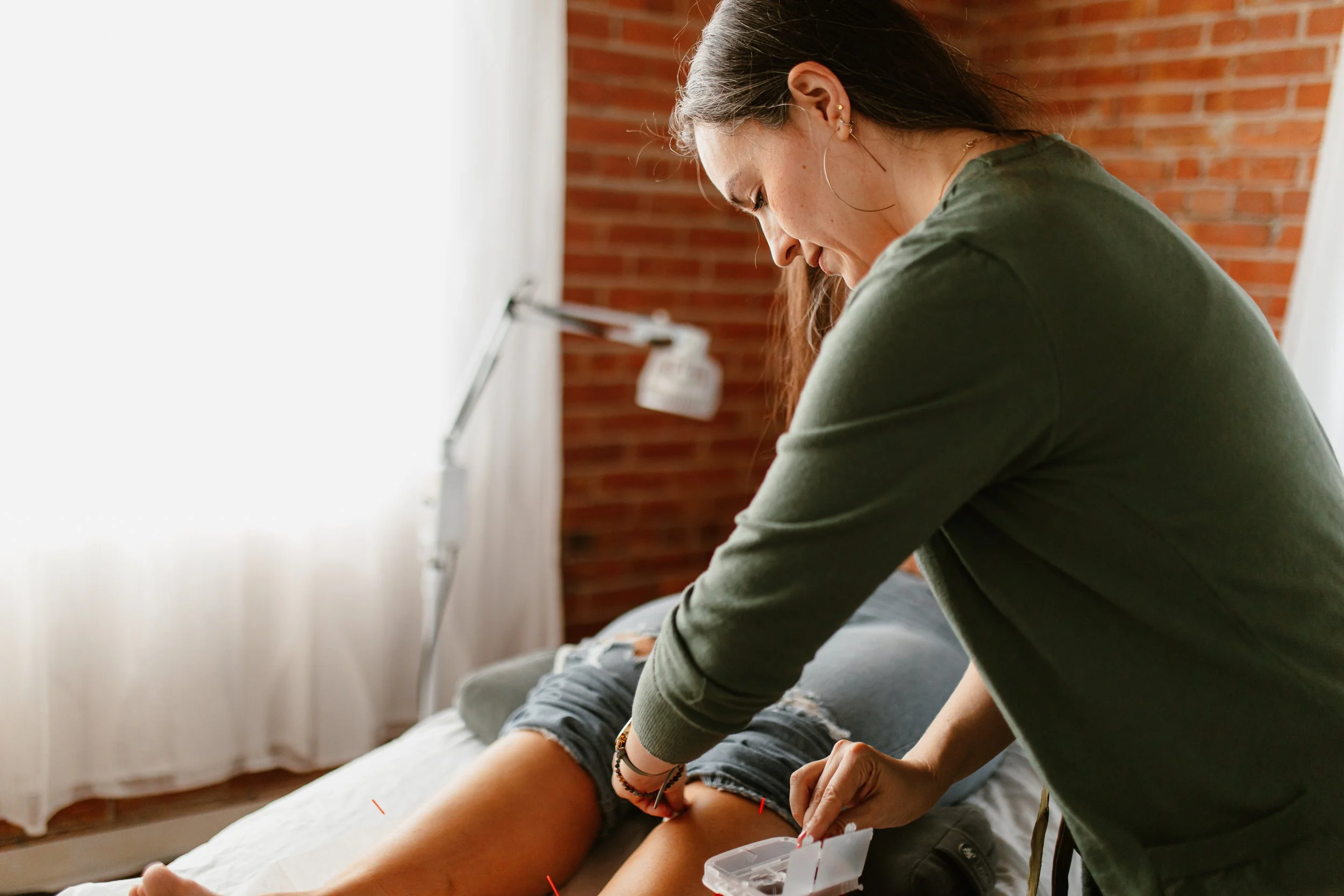
Acupuncture plays a critical role in pelvic health by addressing what often gets overlooked - the nervous system’s role in pain. Chronic pelvic conditions are rarely just structural. These conditions are regulated by stress responses, protective muscle guarding, and altered pain signaling.
Acupuncture calms the nervous system, improves blood flow, and reduces the persistent “overprotective” tension patterns that keep the body stuck in pain cycles. When integrated into pelvic care, it supports both physical and neurological recovery.
f your pain feels tied to stress, tension, or unpredictability, acupuncture may be the key to helping your system finally downshift and heal.
-
Pelvic pain and dysfunction are rarely caused by a single issue, so they cannot be resolved with a single method. Muscle imbalance, tissue restriction, nervous system sensitization, scar formation, and movement dysfunction often exist together. Treating only one layer leads to incomplete results.
This is why our approach combines pelvic floor therapy, shockwave, acupuncture, movement retraining, and clinical education into one integrated system. Each modality plays a different role:
Pelvic therapy restores function and coordination
Shockwave improves tissue health and circulation
Acupuncture regulates the nervous system and pain response
Together, they create a complete recovery pathway addressing structure, tissue, and system regulation simultaneously.
If you are looking for care where you are actually seen, supported, and patiently guided, you are in the right place.
Our Tools for Treating the Pelvic Floor

Specific Pelvic Conditions We Treat:
-
Postpartum recovery isn’t just about “bouncing back”- it’s about properly healing after significant physical change. Many women experience issues like diastasis recti, pelvic floor weakness, hip or back pain, and core instability after pregnancy, regardless of fitness level or whether delivery was vaginal or C-section.
When these problems aren’t addressed early, they don’t always go away; they often show up later in more disruptive ways. For example, untreated core and pelvic floor dysfunction can contribute to urinary leakage when running or sneezing years later. Chronic lower back pain, painful intercourse, or even pelvic organ prolapse can be experienced as the body ages or stress increases. What starts as a mild “normal after baby” issue can quietly become a long-term limitation.
A more effective path is a combination of pelvic floor physical therapy, SoftWave therapy, and acupuncture. Pelvic therapy restores strength, coordination, and proper pressure management at the core of the foundation for lasting recovery. Together, this integrated approach addresses both function and healing in a way that single treatments can’t.
If you’ve had a baby, whether it’s been months or years, and something still feels “off,” that’s your signal to act. Getting assessed and starting targeted care now can prevent bigger problems later and help you return to feeling strong, stable, and fully in control of your body.
-
Urinary incontinence is the loss of bladder control. It can affect both women and men, though causes and patterns can differ. Common types include stress incontinence (leakage with coughing, laughing, or exercise) and urge incontinence (a sudden, intense need to go).
In women, incontinence is often linked to pregnancy, childbirth, and menopause, which can weaken or alter the pelvic floor muscles and connective tissue. In men, it’s commonly associated with prostate changes, especially after surgery, as well as aging or chronic pelvic tension. It can also affect athletes, people with chronic coughing, or anyone with long-term pressure on the abdomen. Incontinence is common, and so people are told it’s “normal” or “something to live with”, but it’s highly treatable.
A leading solution is pelvic floor physical therapy, which addresses the root cause by strengthening weak muscles, relaxing overactive ones, and restoring proper coordination between the bladder, core, and pelvic floor. It also retrains habits like breathing, timing, and pressure management that directly affect bladder control.
SoftWave therapy can complement this by stimulating blood flow, supporting tissue healing, and improving the health of muscles and connective tissue that may be difficult to fully address with exercise alone. While it’s not a standalone cure, it can accelerate progress and enhance outcomes when combined with a targeted therapy plan.
The key is combination care. BPH works to restore function through pelvic therapy while supporting tissue health with advanced modalities like SoftWave. If you’re dealing with leaks, even occasionally, that’s your signal to act. With the right approach, you can regain control, confidence, and get back to living without planning your day around the nearest bathroom.
-
Pelvic pain in women is more common than many realize, and it can affect women at any stage of life. It may be linked to conditions like endometriosis, pelvic floor dysfunction, or interstitial cystitis, but it can also develop from muscle tension, injury, surgery, or chronic stress. Symptoms vary widely: aching, sharp pain, pressure, pain with sitting, exercise, or intimacy. Many women are told it’s something they just have to live with. Without proper treatment, pelvic pain can become chronic and affect mobility, relationships, sleep, and overall quality of life.
An effective and specialized approach combines pelvic floor physical therapy with SoftWave therapy. Pelvic therapy focuses on retraining muscles, improving coordination, releasing tension, and restoring proper function in the core and pelvic floor. SoftWave therapy complements this by increasing blood flow, reducing inflammation, and supporting tissue healing in areas that are difficult to treat with exercise alone.
Together, this combination offers a deeper, more comprehensive level of care targeting both function and tissue health, unlike other treatments. If you’ve been dealing with pelvic pain and not getting clear answers, don’t settle for managing symptoms. Seek out a provider who offers this integrated approach and take the first step toward lasting relief.
-
Pelvic pain in men is often overlooked, yet it can affect men of any age from athletes to desk workers, and really anyone under chronic stress. It’s frequently linked to conditions like chronic prostatitis, pelvic floor dysfunction, or pudendal neuralgia. Symptoms may include aching or pressure in the pelvis, testicular or penile pain, discomfort with sitting, urinary issues, or pain during or after intimacy.
Because these symptoms don’t always show up on standard tests, many men are told nothing is wrong or are given temporary fixes that don’t address the root cause. Without proper care, the cycle of tension, irritation, and pain can persist for months or even years.
A more advanced and effective approach combines pelvic floor physical therapy with SoftWave therapy. Pelvic therapy works to release tight muscles, restore coordination, and retrain how the pelvic floor and core function together. SoftWave/shockwave therapy enhances results by improving blood flow and supporting healing in deeper tissues. Together, this combination offers targeted, comprehensive care that goes beyond symptom relief to create lasting change. If you’ve been dealing with pelvic pain and not getting real answers, don’t ignore it. Seek out a provider who offers this integrated approach and take a decisive step toward lasting relief.
-
Diastasis recti is a condition where the abdominal muscles separate along the midline due to stretching and thinning of the connective tissue, often showing up as a visible bulge, core weakness, or back discomfort. It’s most common after pregnancy, but can also affect men and anyone with repeated strain or poor pressure management in the abdomen. The issue isn’t just cosmetic; it's about reduced core stability and function, which can impact posture, movement, and overall strength.
The most effective, evidence-based care is pelvic floor physical therapy. This practice restores deep core strength, coordination, and proper breathing mechanics so the body can heal and function as a unit. While treatments like SoftWave therapy may support tissue health, they are not a standalone fix.
If you’re noticing symptoms or suspect a separation, the next step is to get assessed by a qualified pelvic health professional and start a targeted, guided program to rebuild your core.
-
Pelvic Floor Physical Therapy can play an important role in supporting the body during pregnancy because the pelvic floor, abdominal muscles, and hips experience significant stress as the baby grows. This type of therapy focuses on strengthening, relaxing, and coordinating the muscles that support the pelvis and core so the body can better handle the physical changes of pregnancy and prepare for delivery.
Many pregnant individuals experience discomfort such as low back pain, hip pain, pelvic girdle pain, tailbone pain, or pain around the pubic bone, including conditions like Symphysis Pubis Dysfunction. And frankly, we don't believe in asking women to suffer as the status quo.
-
An important benefit of pelvic physical therapy during pregnancy is preparation for labor and delivery. Therapists can teach techniques that help the pelvic floor relax during pushing, demonstrate positions that may open the pelvis during labor, and guide perineal stretching to reduce strain on the tissues. These strategies may lower the likelihood of severe tearing during childbirth. In addition, pelvic PT helps individuals learn safe ways to move as their body changes, including proper lifting techniques and posture adjustments.
Beginning therapy during pregnancy can also make postpartum recovery smoother by reducing the risk of long-term pelvic pain, persistent bladder leakage, or conditions such as Pelvic Organ Prolapse. Overall, pelvic physical therapy helps the body adapt to pregnancy, prepares it for delivery, and supports a healthier recovery afterward.
-
Pelvic Floor Physical Therapy can help during perimenopause by addressing changes in hormones that affect the strength, flexibility, and coordination of the pelvic floor muscles. As estrogen levels decline, some women experience symptoms such as bladder leakage (Urinary Incontinence), pelvic pressure from Pelvic Organ Prolapse, or pain with intimacy, known as Dyspareunia. Pelvic physical therapy uses targeted exercises, relaxation techniques, and education to improve muscle support, reduce symptoms, and help maintain pelvic health and quality of life during this transition.
Real Patient Reviews
“If I could give more than five stars I would! Dr. Nicole was amazing and really listened to me. It was the first time someone really wanted to figure out the root of my pain and help me get my life back. She even told me I was allowed to have feelings which may seem small but my experience in the healthcare system has been abysmal.
Dr. Nicole was a breath of fresh air and I feel like things could actually get better. Lindsay was also so friendly and great! It was a great experience overall”
-Kim L.“Dr. Brush did the most thorough exam. She is very professional and informative. I would recommend BPH to anyone.”
-Joyce M.“This place is incredible. Everyone is beyond smart, kind and makes you feel so comfortable.”
-Christina P.